Kitchen Boning Knife Illustrations Review
As a designer who has spent years translating digital graphics into tangible stitched products, I approach every new asset with a critical eye. The market is flooded with generic clip art, but finding a piece that truly translates well from screen to fabric is rare. Recently, I evaluated the Kitchen Boning Knife Illustrations, a set of graphics designed for culinary-themed projects. My goal was simple: determine if this design holds up under the scrutiny of a real-world embroidery project or if it belongs solely in the realm of printable mockups.
The First Impression: Shape and Visual Personality
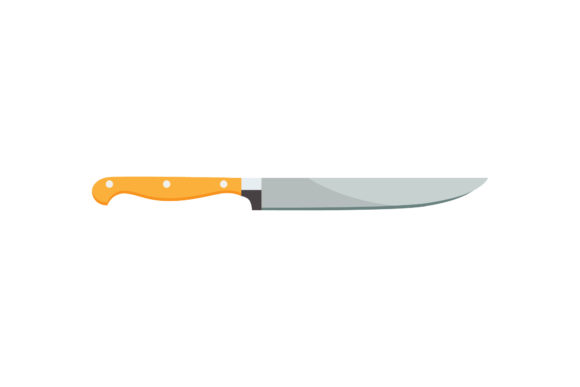
When I first opened the Kitchen Boning Knife Illustrations on my design software, the immediate impression was one of sharp utility mixed with vintage charm. Unlike many modern, overly simplified icons, these illustrations retain enough line weight and detail to suggest a professional kitchen tool without becoming cluttered. The mood they create is rustic yet precise, evoking the feeling of a high-end butcher shop or a well-loved family kitchen.
For an embroidery designer, the shape is the most critical factor. A boning knife has distinct curves and a tapering blade that can be tricky to render in thread. In this case, the layout feels balanced. The handle provides a solid anchor point for fill stitches, while the blade offers a sleek area where satin stitching could shine. The visual personality suggests that this is not just a decorative element but a statement piece suitable for branding a craft business focused on cooking, food prep, or culinary arts.
Testing the Design: A Real-World Apron Scenario
To truly understand the potential of these Graphics, I imagined a specific use case: creating a limited run of custom chef aprons for a local artisanal bakery. This scenario tests the design's durability, clarity, and appeal to a paying customer. If I were to embroider this onto a heavy-duty cotton canvas apron, the Kitchen Boning Knife Illustrations would likely serve as the central logo.
In this context, the design works exceptionally well. The bold lines of the knife illustration ensure that even when viewed from a distance, the subject is instantly recognizable. For an Etsy seller or small shop owner, recognition is key. A customer browsing a booth at a craft fair needs to see the product and immediately understand its theme. The clean lines of the knife prevent the "muddy" look that often plagues complex designs when stitched on textured fabrics like canvas or denim.
Furthermore, the versatility of the file formats provided—ranging from vector AI and EPS files to raster JPG and PNG options—allows for flexibility. While the vector files are essential for scaling the design to fit different hoop sizes without losing quality, the raster previews help visualize how the finished product might look before committing to the machine setup.
Navigating Technical Challenges in Embroidery
Despite the strong initial look, experienced designers know that every machine embroidery design comes with potential pitfalls. When working with the Kitchen Boning Knife Illustrations, there are specific areas where caution is required to ensure a flawless finished product.
- Stitch Density and Detail: The tip of the boning knife is naturally fine. If you attempt to stitch this design at a very small scale, the needle may struggle to capture the taper, resulting in gaps or skipped stitches. It is crucial to check the stitch density settings in your digitizing software. You may need to thicken the outer lines slightly or switch to a finer needle to maintain definition.
- Fabric Texture Considerations: While this design looks great on smooth cotton, using it on highly textured fabrics like terry cloth or thick wool can distort the straight edges of the blade. The texture of the fabric can interfere with the lay of the fill stitch. For such materials, a heavier stabilizer is non-negotiable to keep the threads flat and the image crisp.
- Dark Fabric Contrast: The default color palette of these illustrations often leans towards neutral tones. If you plan to use this on a black sweatshirt or dark denim tote bag, you must carefully select thread colors. A light grey or white outline will pop, but ensure the contrast is sufficient so the details don't disappear into the background.
Strategic Applications for Small Businesses
For creative entrepreneurs and Etsy sellers, the value of Kitchen Boning Knife Illustrations lies in its ability to elevate a standard item into a personalized gift or boutique product. Imagine applying this design to a linen tea towel or a canvas tote bag. The association with culinary skills makes it an ideal choice for holiday gifts, wedding registries, or housewarming presents for the home cook.
From a commercial perspective, this design fits perfectly into a brand identity for a cooking school, a specialty food store, or a catering service. An embroidered patch featuring this graphic could be sewn onto staff uniforms, adding a layer of professionalism and cohesion to the team's appearance. The design assets are robust enough to handle the wear and tear of frequent washing, which is vital for items like aprons and towels.
However, it is important to note where this design should be used carefully. Avoid placing it on stretchy fabrics like jersey knit unless you have extensive experience with stabilizers, as the tension can warp the straight lines of the knife. Similarly, curved surfaces like caps require careful placement; the long handle of the boning knife might not follow the curve of a baseball cap seamlessly without distortion.
Practical Designer Notes for Success
Before integrating Kitchen Boning Knife Illustrations into your next embroidery project, follow these practical steps to guarantee success:
- Test on Scrap Fabric: Never skip the test run. Stitch the design on a scrap piece of the actual fabric you intend to use. This allows you to adjust the hoop size and tension settings before ruining expensive material.
- Review File Formats: Ensure you are using the correct file type for your machine. While the product description mentions availability in AI, EPS, SVG, DXF, JPG, and PNG, remember that embroidery machines typically require specific PES, DST, or EXP formats. You may need to convert the vector files (AI/EPS) into a compatible digital embroidery file format using your preferred software.
- Check Licensing: As a responsible craft business owner, always confirm the licensing terms. Are you allowed to sell the physical embroidered items? Can you resell the digital files? Understanding these boundaries protects your reputation and ensures compliance.
- Mockup Visualization: Create both black and white and colored mockups to see how the design performs in different lighting conditions. This helps in presenting the best possible image to potential buyers on your online shop.
Final Verdict on Commercial Viability
Ultimately, the Kitchen Boning Knife Illustrations represent a solid addition to any designer's library. They strike a balance between artistic flair and functional simplicity, making them highly adaptable for various custom apparel and home decor projects. Whether you are producing a single personalized gift or launching a line of small shop products, this design offers the clarity and character needed to stand out.
The key to unlocking its full potential lies in thoughtful execution. By respecting the limitations of the medium, choosing the right fabrics, and testing thoroughly, you can transform these digital graphics into high-quality, tactile products that customers will love. For those looking to add a touch of culinary elegance to their portfolio, this is a resource worth exploring, provided you take the time to prepare your machine and materials correctly.