Virtual Reality Graphics & Illustrations Review
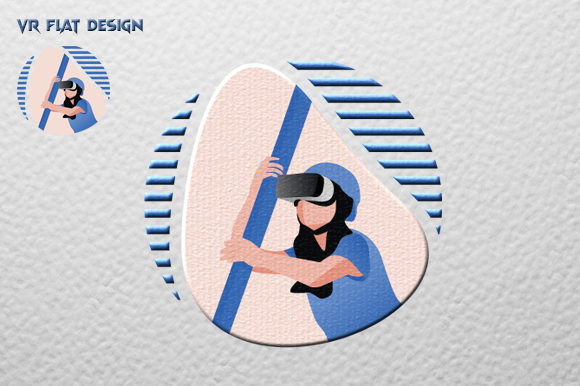
I recently pulled the Virtual Reality Vector Illustrations file onto my workspace while brainstorming a rebrand for a local children’s tech education center. As an experienced brand designer, I approach every new graphic design asset with skepticism. Does it scale? Does it print cleanly? Most importantly, does it elevate the small business branding or just clutter the visual hierarchy? When I first opened the file, the mood was immediately clear: futuristic yet accessible. The artwork balances high-tech concepts with a friendly, approachable aesthetic that feels perfect for a modern local business trying to bridge the gap between complex technology and everyday users.
First Impressions: Mood and Brand Personality
The initial view of these illustrations suggests a brand personality that is innovative, forward-thinking, and playful. Unlike many generic clipart collections that feel flat or dated, this set carries a sense of depth and energy. For a boutique owner selling smart home gadgets or a handmade business creating educational toys, this style signals quality without being intimidating. It avoids the cold, sterile look often associated with tech brands, replacing it with warmth and curiosity. The lines are clean, the colors are vibrant, and the composition allows for flexibility in how you integrate them into your overall brand identity.
This specific collection feels particularly strong for businesses that want to appear premium but remain grounded in community values. Whether you are designing for a coffee shop launching a digital loyalty program or a skincare brand emphasizing bio-technology, the Virtual Reality Vector Illustrations provide a visual language that says "modern" without shouting "corporate."
Real-World Applications for Local Businesses
In my current project, I am testing how these assets function across various touchpoints. The versatility is impressive. I started by placing a hero graphic on a product label for a fictional line of VR headsets designed for kids. The illustration held up beautifully, acting as a focal point that drew the eye immediately. This is crucial for shelf appeal; in a crowded retail environment, your packaging design needs to stop the scroll or the walk-by.
Beyond packaging, I explored using these graphics for social media content. In the world of marketing visuals, consistency is key. Using the same illustrative style across Instagram stories, website banners, and promotional ads creates a cohesive narrative. I also tested the assets as decorative elements on thank-you cards included with physical shipments. For a handmade business, these small details transform a standard transaction into a memorable brand experience. The illustrations add a layer of polish that elevates the perceived value of the product.
Here are a few specific scenarios where these assets shine:
- Logo Design: Elements from the pack can be simplified to create unique icons for app logos or wordmark accents.
- Promotional Banners: Large-scale use for event flyers or seasonal campaign visuals captures attention instantly.
- Web Design: These vectors work perfectly as section dividers or background elements on landing pages.
- Printable Inserts: Use them on instruction manuals or warranty cards to make dry information engaging.
- Product Mockups: They serve as excellent placeholders or final art for 3D renderings of your products.
Technical Quality and Print Readiness
One of the most critical factors for any commercial design is technical integrity. This artwork is available in AI, SVG, and EPS full color workspaces with 300dpi resolution. Can be used for digital printing and screenprinting. This specification is vital for anyone moving from screen to paper. I ran a test print on heavy cardstock for a mock business card, and the edges remained crisp with no pixelation. The ability to edit the vector layers means I could adjust stroke weights and swap colors to match the client’s exact brand palette without losing quality.
For those working in web design or digital-only campaigns, the SVG format ensures scalability across all devices. However, the inclusion of high-resolution raster options makes it equally robust for large-format printing like posters or window decals. This dual capability makes it a true powerhouse for creative entrepreneurs who need one asset to do double duty.
Strategic Placement and Visual Hierarchy
While the Virtual Reality Vector Illustrations are versatile, they require strategic placement to maintain a professional branding standard. I found they work best as hero graphics on packaging or as subtle accents in editorial design layouts. When used correctly, they improve customer trust by signaling that the business cares about detail. A well-placed illustration can guide the viewer's eye to the most important information, such as the product name or a call to action.
However, there are situations where caution is necessary. I would advise against using these busy, detailed illustrations in formal corporate branding or on very small labels where legibility is paramount. If you have ingredient-heavy layouts or legal information areas, keep the decoration minimal. In luxury minimalist brands, these graphics might compete with the negative space required to convey elegance. Always ensure the decoration supports the text rather than fighting for attention.
Practical Designer Notes for Implementation
Before committing to any design asset for client work, I follow a strict checklist. First, always test the asset on real packaging mockups. What looks good on a white screen might clash with a textured paper stock. Second, check black and white usage. Even if your final product is in color, you need to know if the illustration retains its form in grayscale for receipts or faxes.
Third, preview it on small labels. Complex details can get lost when scaled down. Fourth, test it with different font styles. I paired these illustrations with a bold sans-serif font for a modern look, then tried a handwritten font for a more personal touch. Both worked, but the pairing changed the entire vibe of the brand. Finally, confirm the commercial licensing before using it for client work, business branding, or physical product sales. Ensure you have the rights to use the artwork for unlimited prints and digital distribution.
Building Trust Through Professional Branding
Ultimately, the goal of using high-quality design assets like Virtual Reality Vector Illustrations is to build stronger emotional connections with customers. In the competitive landscape of small business branding, visual presentation is often the first handshake you offer. Professional packaging and polished marketing visuals suggest reliability and care. When a customer holds a product with beautiful, custom-feeling graphics, their perception of the product’s quality increases.
Whether you are a marketer managing a seasonal campaign or a boutique owner updating your store signage, investing time in selecting the right illustration style pays off. It clarifies your visual hierarchy, strengthens your brand identity, and sets you apart from competitors relying on generic templates. By leveraging these tools effectively, local businesses can achieve a level of sophistication that rivals much larger corporations.
Final Thoughts on Creative Assets
The Virtual Reality Vector Illustrations represent a significant step up from standard clipart. They offer the flexibility needed for modern design challenges while maintaining the technical specs required for professional production. From logo design to product mockups, these graphics provide a solid foundation for storytelling. For any creative entrepreneur looking to elevate their brand presentation, this collection offers a blend of utility and artistic flair that is hard to find elsewhere. Remember, great design isn’t just about making things look pretty; it’s about communicating value, building trust, and creating a memorable experience for your audience.