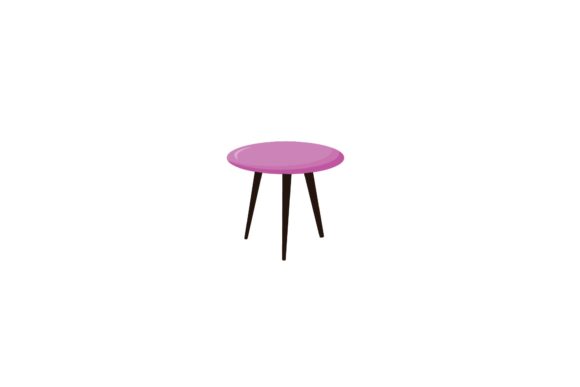
Cutty Stool Vector Illustrations Review
As a designer who has spent years translating digital art into tangible thread, I approach every new asset with a critical eye. It is not enough for a graphic to look good on a screen; it must survive the rigors of digitization, stitching, and real-world wear. When I first opened the files for Cutty Stool Vector Illustrations, I was looking for that specific blend of character and structural integrity that makes a design stand out in a crowded market. This set arrives as a collection of Graphics intended for serious creators, offering six distinct digital files including AI, EPS, SVG, and DXF formats. The canvas size sits at 1920px by 1280px, which immediately signals a high-resolution starting point for scaling.
First Impressions: Mood and Visual Personality
The initial view of Cutty Stool Vector Illustrations reveals a design language that feels both nostalgic and modern. The lines are clean, avoiding the jagged edges that often plague lower-quality vector art when converted into a machine embroidery design. For an Etsy seller or a boutique owner, this visual clarity is crucial. The illustrations possess a whimsical yet grounded personality, making them versatile enough for a nursery project or a sophisticated kitchen towel line. The layout suggests a balanced composition where negative space is respected, a vital factor when considering how fill stitch and satin stitch will interact during the actual stitching process.
When evaluating these Illustrations, I am constantly thinking about the final finished product. Does the design have enough weight to hold its own on a heavy sweatshirt? Is it delicate enough for a baby onesie? Cutty Stool Vector Illustrations strikes a balance here. The shapes are defined but not overly complex, which reduces the risk of thread breakage or registration issues common in highly detailed embroidery file conversions. This makes the design particularly appealing for small business owners who need reliable assets that translate consistently across different fabric types.
Real-World Application: From Screen to Stitch
To truly test the viability of this asset, I imagined a specific scenario: creating a limited run of custom embroidered tote bags for a local craft fair. Tote bags are a staple for any craft business, but they present unique challenges due to their texture and the way they drape. Using Cutty Stool Vector Illustrations as the base, I could see the potential for a bold statement piece. The vector nature of the file allows for easy resizing without losing quality, which is essential when adapting a design from a large tote bag to a smaller embroidered patch.
In this context, the SVG File included in the package would be my go-to for quick adjustments in design software before sending it to the digitizing program. The ability to manipulate the vectors ensures that the stitch density can be optimized for the specific cotton canvas of the tote bag. If I were moving this design to a sweatshirt embroidery project, the thicker loops of the fleece might require adjusting the running stitch settings to prevent puckering. However, the inherent simplicity of the Cutty Stool Vector Illustrations means that even on textured fabrics, the core image should remain legible and attractive.
For those focusing on personalized gifts, such as holiday stockings or wedding favors, the versatility of these design assets shines. A customer might want the design on a dark navy apron or a soft pastel pillow cover. Because the vectors are clean, color separation becomes straightforward. You can easily swap out thread colors to match a client's brand palette or personal preference without worrying about muddy transitions or lost details. This flexibility is what turns a standard embroidery project into a high-value, custom item that customers are willing to pay a premium for.
Navigating Challenges: Where Caution is Key
Despite the strengths of Cutty Stool Vector Illustrations, there are scenarios where extra caution is required. While the design is robust, it is not immune to the physics of embroidery. If you attempt to shrink the design significantly for a small hoop size, such as a 4x4 inch cap hoop, some of the finer lines may become too thin for standard thread. In these cases, the stitch density might need to be increased manually, or certain elements simplified to maintain structural integrity.
Working with stretchy fabrics like jersey knit requires careful attention to stabilizer choice. Even with a great embroidery file, the tension of the machine can distort the shape if the fabric is not properly secured. I always recommend testing the design on scrap fabric first, especially when using Cutty Stool Vector Illustrations on garments that will undergo frequent washing. The durability of the finished product depends heavily on how well the thread locks into the fabric, and dense areas of the design might pull slightly over time if the backing is insufficient.
Furthermore, while the DXF File is excellent for cutting machines, remember that embroidery involves adding material (thread) rather than removing it. What looks perfect as a cut line might behave differently when filled with satin or fill stitches. Always review the digitized version to ensure that underlay stitches are sufficient to support the top layer, particularly on darker fabrics where contrast is key for visibility.
Practical Designer Notes for Success
If you decide to integrate Cutty Stool Vector Illustrations into your workflow, start by checking the licensing terms. As a professional, you must confirm whether the license covers commercial use for selling finished items or just personal projects. Assuming commercial rights are clear, the next step is preparation. Use the AI File or EPS File to create a printable mockup of your intended product. This helps visualize how the scale and color will look before committing expensive thread and time.
Before running the full production batch, perform a test run on a similar fabric swatch. Check the thread colors against the background to ensure readability. Inspect the corners and curves for any gaps or excessive bunching. If you are planning to sell these as digital embroidery files to other makers, ensure that your digitization process preserves the artistic intent of the original vector. The value of your small shop product lies in its professionalism; a poorly stitched design can damage your reputation more quickly than a bad marketing campaign.
Ultimately, Cutty Stool Vector Illustrations offers a solid foundation for creative entrepreneurs. Whether you are creating baby embroidery, holiday embroidery, or branding for a commercial embroidery service, the quality of the source vector matters. By respecting the limitations of the medium and preparing thoroughly, you can transform these graphics into beautiful, durable textiles that delight customers and strengthen your brand. The path from a digital file to a cherished handmade object is paved with careful planning, and this design set provides the right tools to get there.